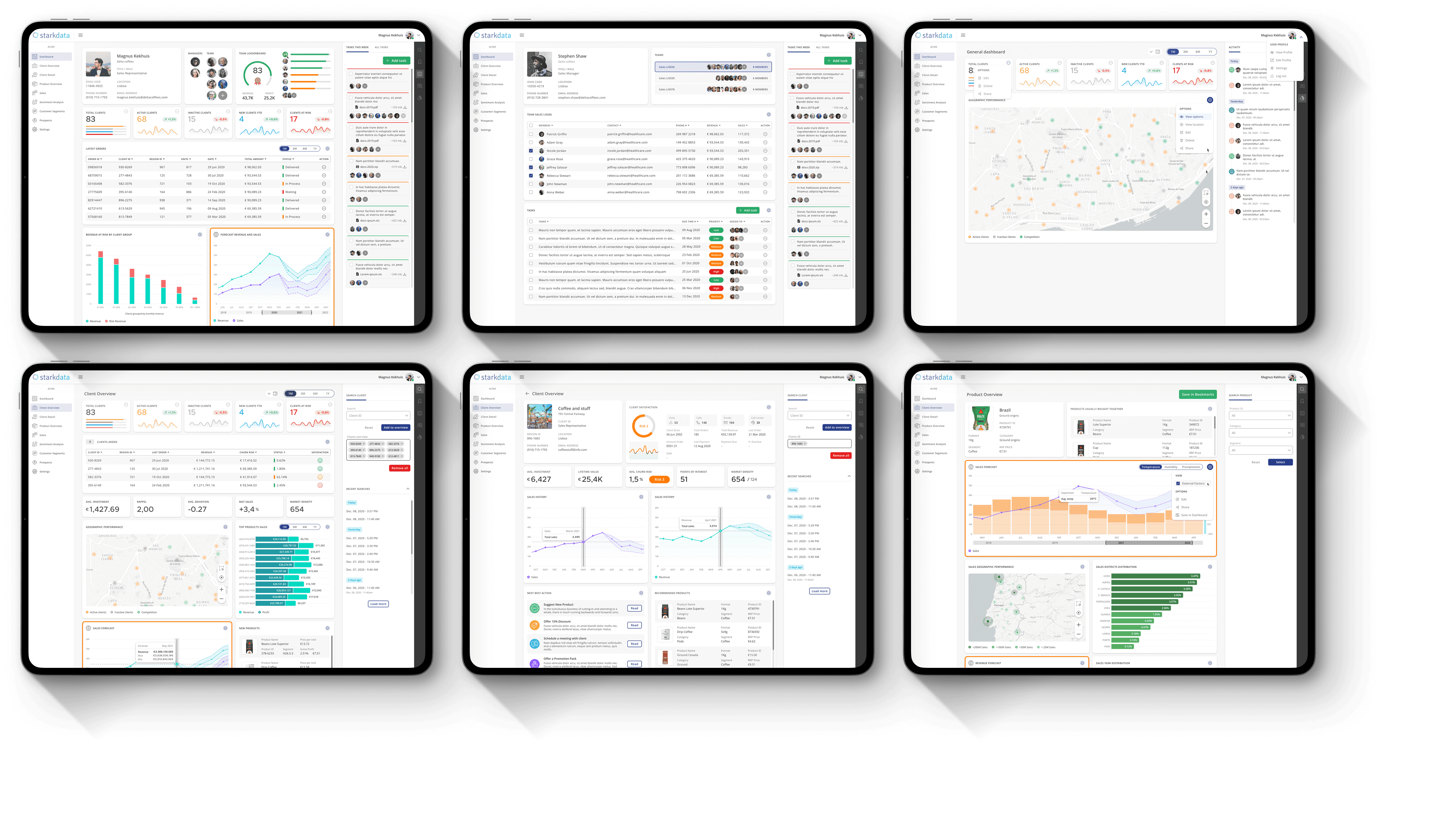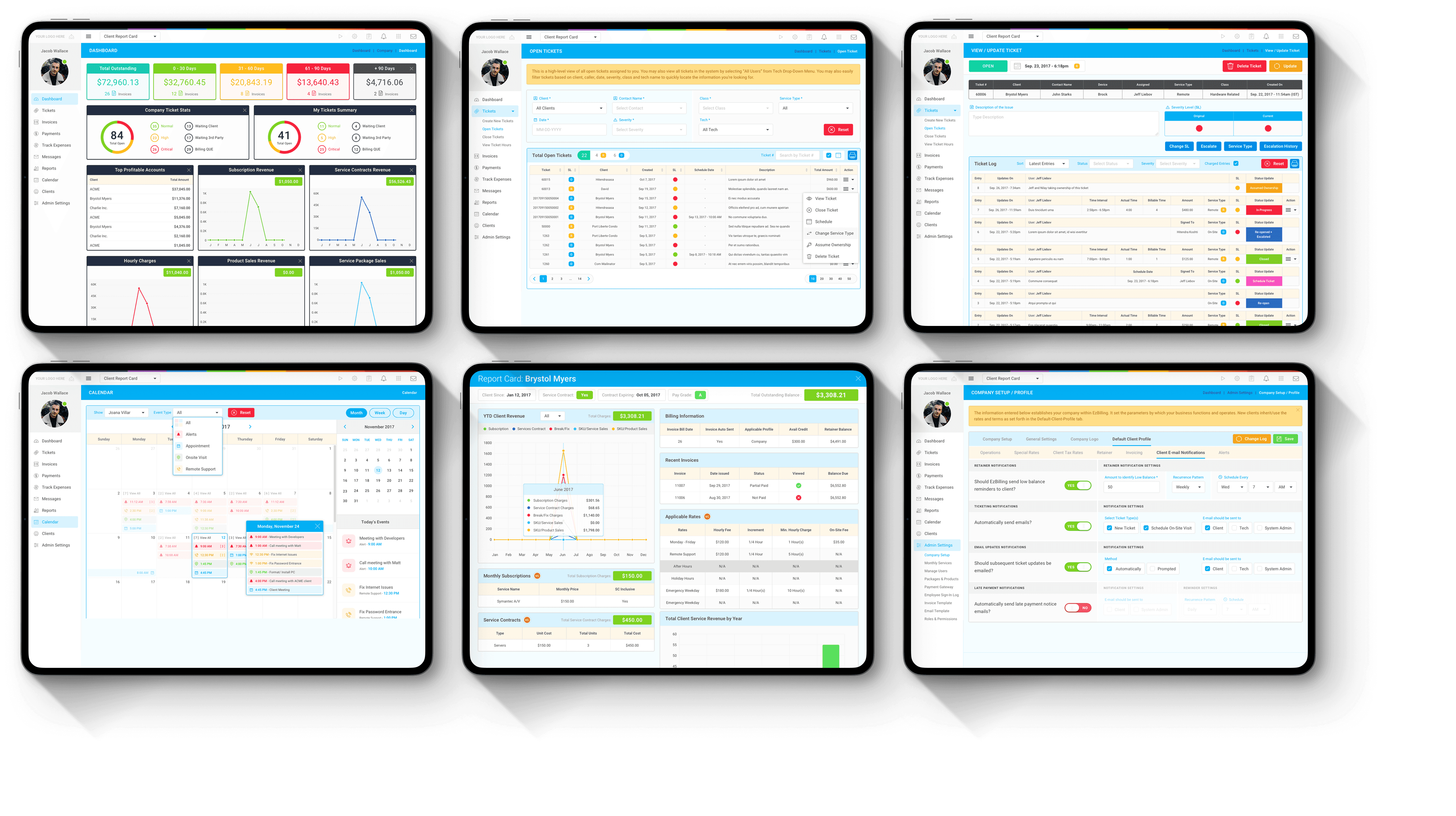



Pulsely specialises in providing actionable insights to enhance business performance through Diversity, Equity, and Inclusion (DEI) initiatives. They help organisations understand their workforce demographics and inclusion mindsets, offering data-backed strategies to identify gaps and areas for improvement in DEI initiatives. This enables businesses to create impactful programs that foster a more inclusive environment.
Led the design strategy for the internal SaaS product by conducting research, user testing and stakeholder interviews to validate solutions and optimize product decisions. Created interactive prototypes and high-fidelity mockups to ensure intuitive user flows, developed a design system.
The timeline for the production of the report has been reduced by 30%.
2021
The Challenge
Admin first
The project's initial MVP will concentrate on establishing the architecture strategy of the SaaS DEI platform from an administrative standpoint, addressing the limitations of the generic surveys infrastructure available in the market. Offering integrated DEI analytics frameworks, client-specific data insights, and tools for ongoing progress tracking.
Reduce process timeline
Anticipates a 25% reduction in manual data reconciliation, accelerating the report processes and reducing the time spent on manual matching, insights and corrections.
The Problem
general Survey Platform
Pulsely deploys confidential organisational surveys through SurveyMonkey to assess inclusion gaps and their business impacts, with data analysed by their science team. Although the SurveyMonkey platform is effective for general surveys, it lacks specialised DEI diagnostic capabilities such as advanced equity analytics, inclusion indices, and longitudinal progress tracking.
Time-Consuming Process
Research
Data Collection Methods
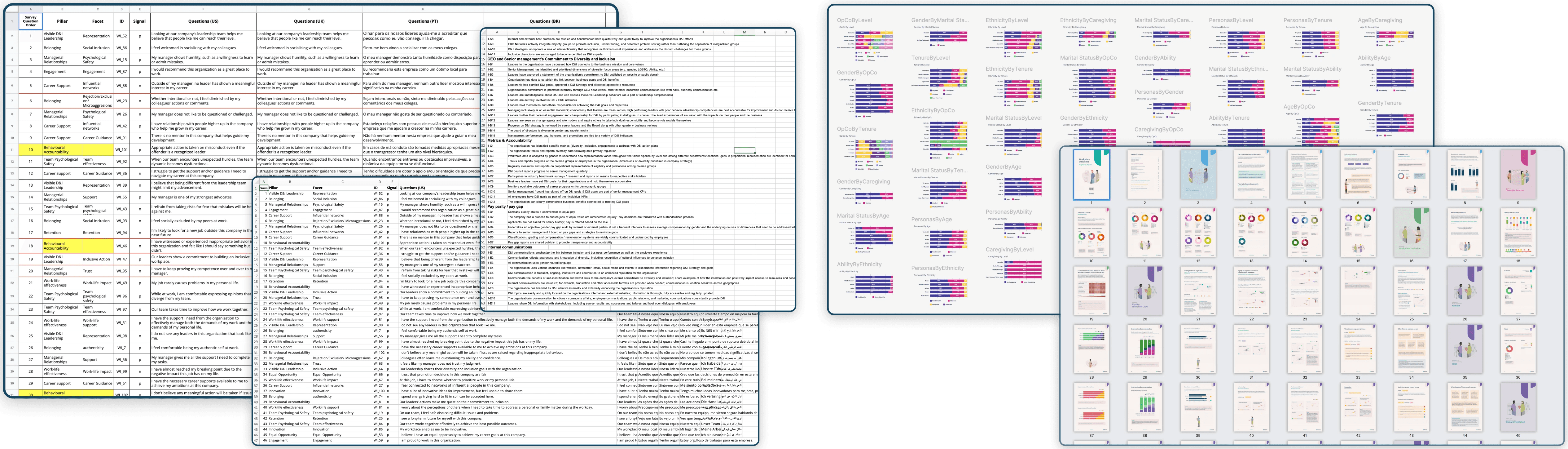
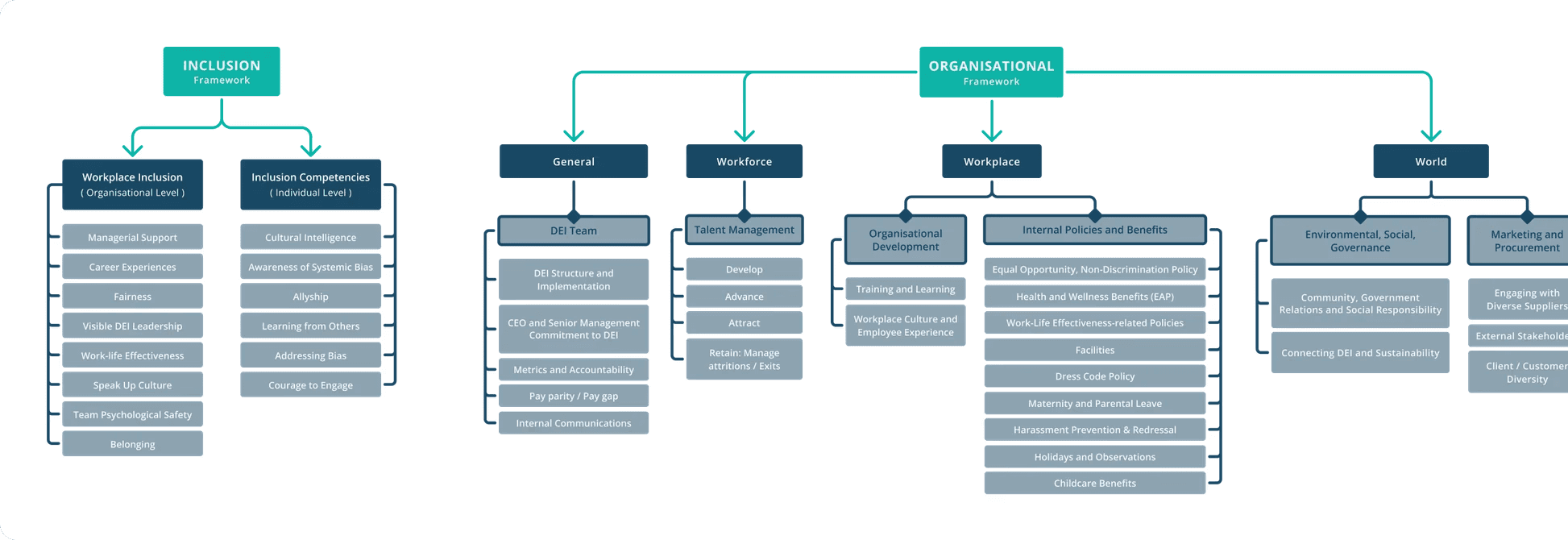
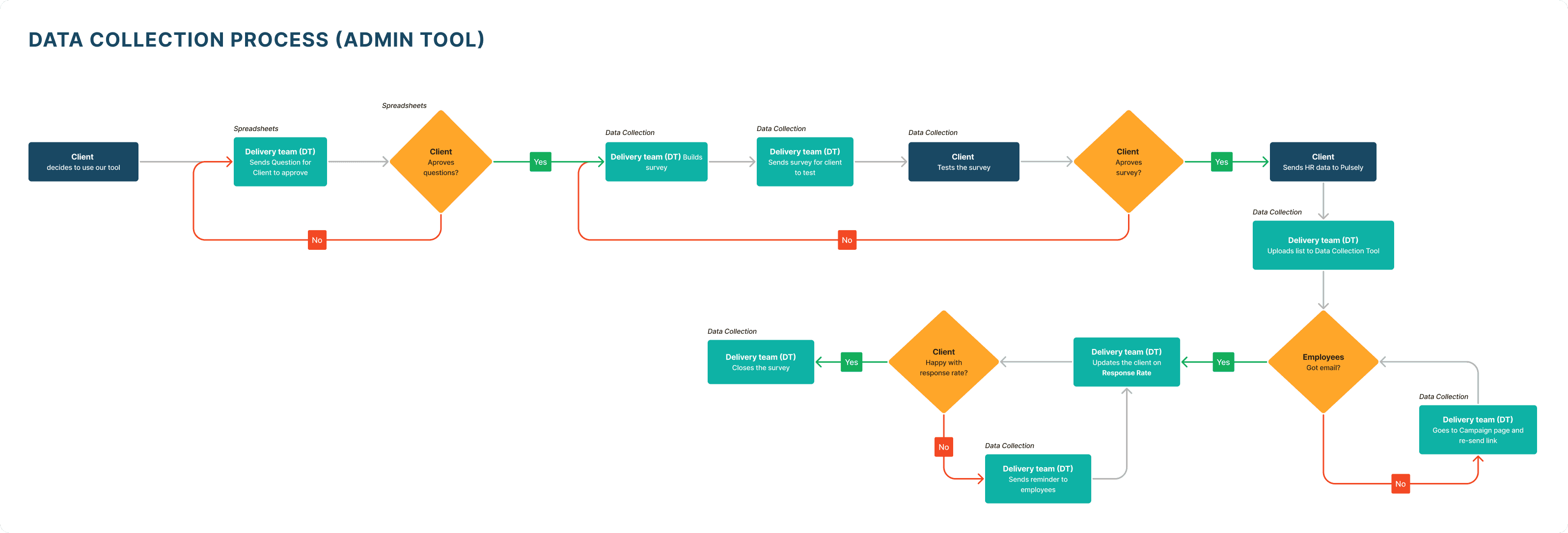
In order to simplify the arduous and time-consuming aspects of report preparation. It was essential to conduct a thorough examination of the data collection procedures in collaboration with the science team. In particular, identifying distinct characteristics and variations between each product and their respective scientific frameworks.
Automatisation process
Understand the structure in which the science and delivery team navigate through the end-to-end process timeline; (Survey design → Collection → Analysis → Reporting). To implement the best practices by respecting the same methodology within the product, to ensure the accuracy and relevance of the final reports.
Competitive analysis
As part of this process, I carried out a competitive analysis to identify strengths, weaknesses, and opportunities for innovation. Additionally, I analysed and determined the most effective data visualisations to apply in specific analyses, improving user understanding and clarity.
Discovery to Definition
The creation of detailed user personas to represent the target audience was obsolete in this particular phase, considering the admin part of this software will only be available for Pulsely internal use. Nevertheless, to gain a more comprehensive understanding of the product objectives among the primary users, I consolidated the insights from stakeholder interviews and compared them to the methodologies employed by the science team.
Process
User flow
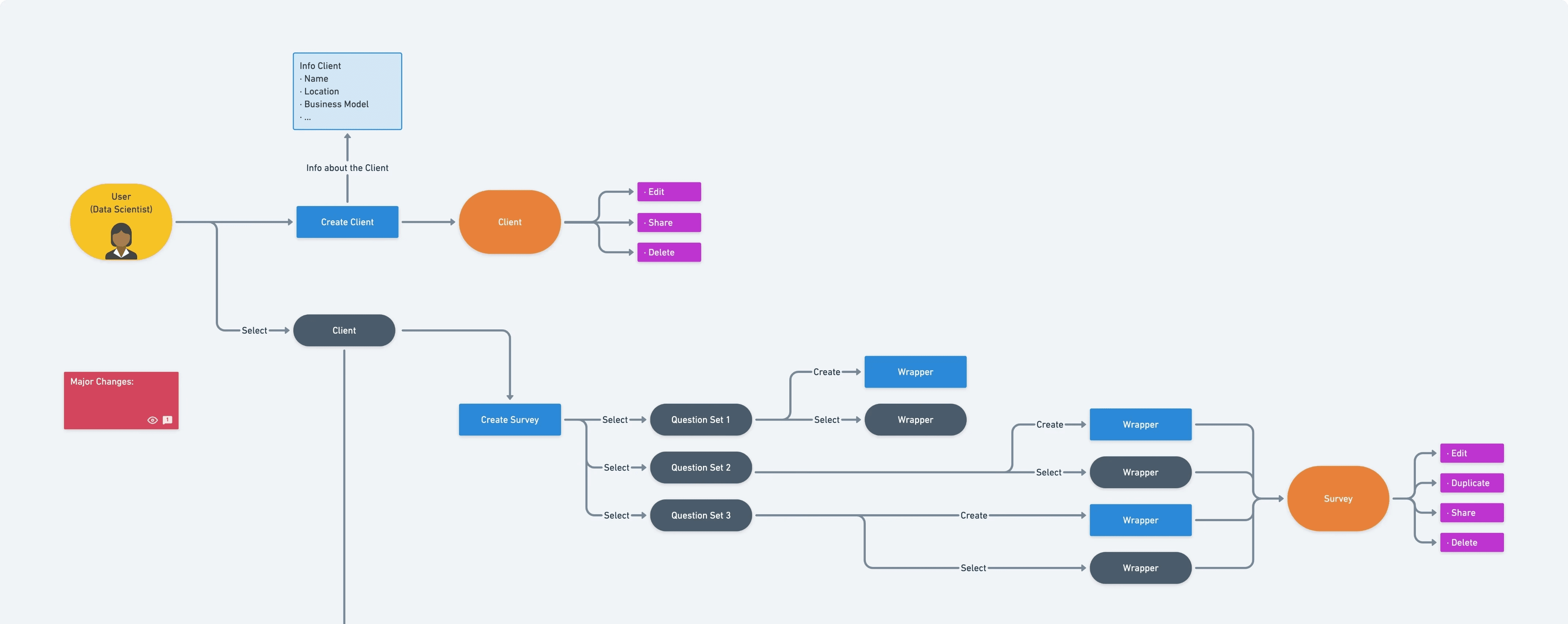
It was essential to create a user flow for the survey structure to ensure that the product was in accordance with user needs, minimizes cognitive load, and provides a simple experience. Furthermore, to establish the foundation for the UX strategy.
Client Campaigns
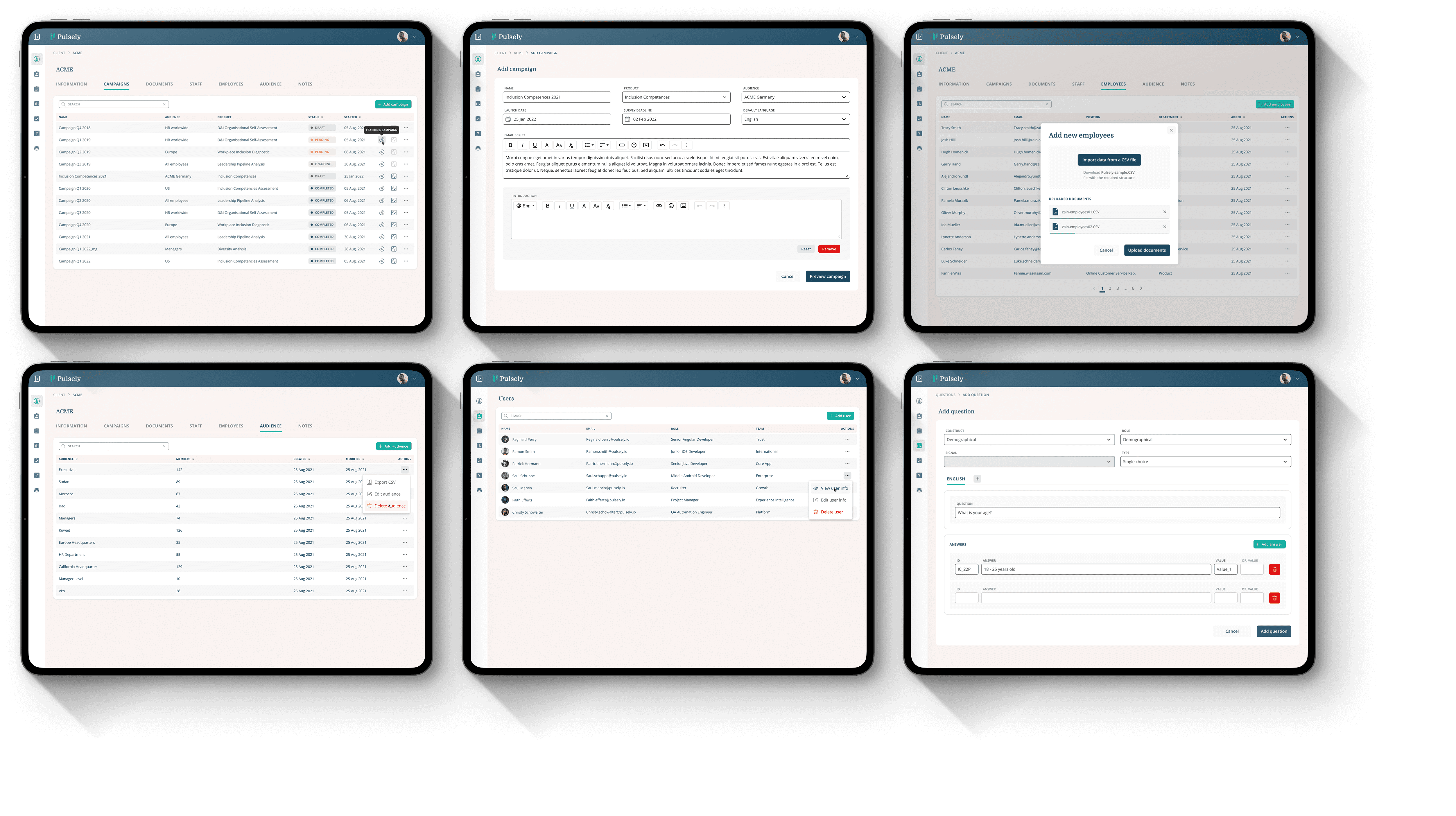
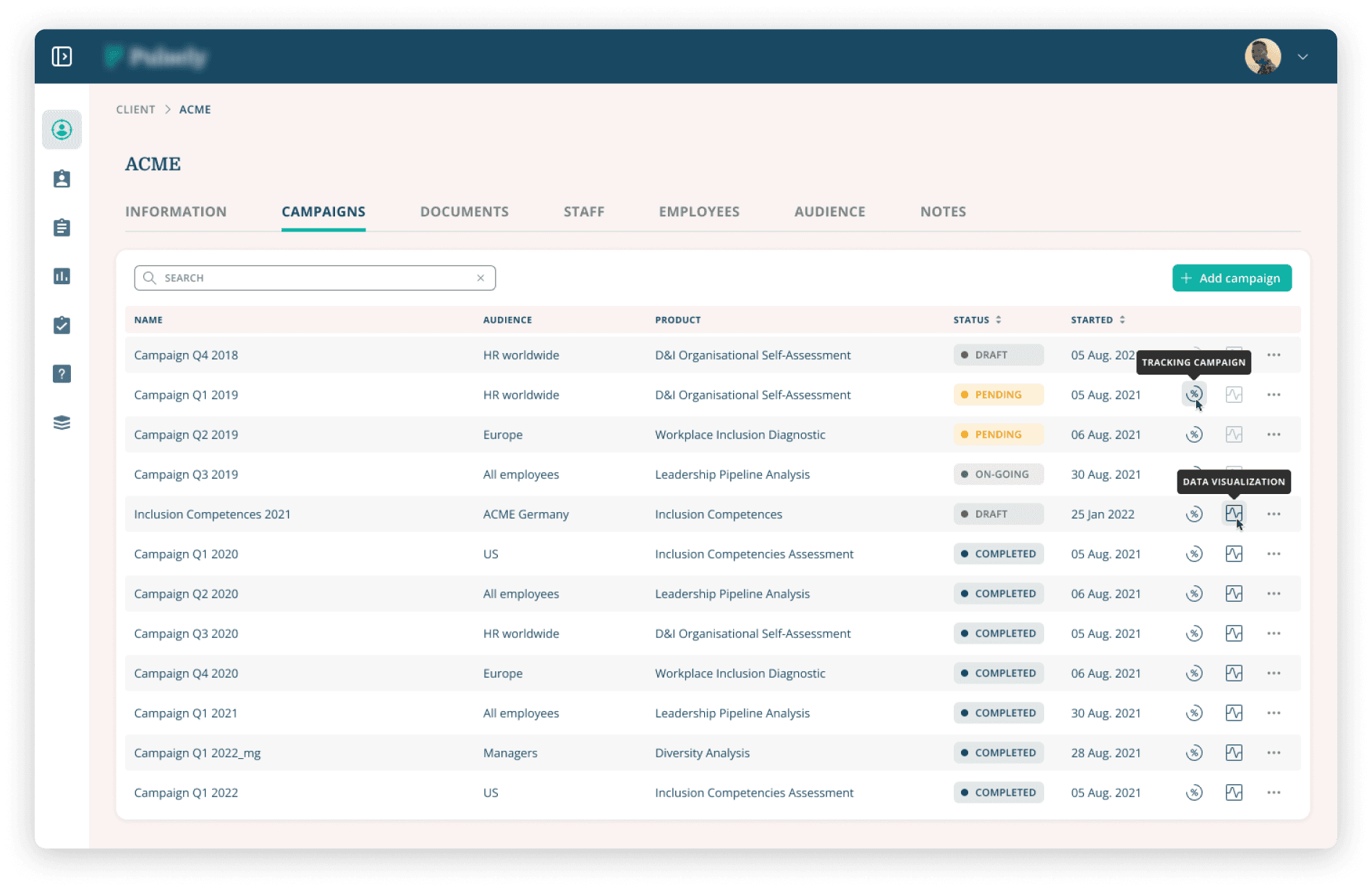
Each client can run multiple campaigns throughout the process — both to monitor progress in DEI implementation and to tailor initiatives to different internal audiences, ensuring demographic relevance and impact.
New Campaign
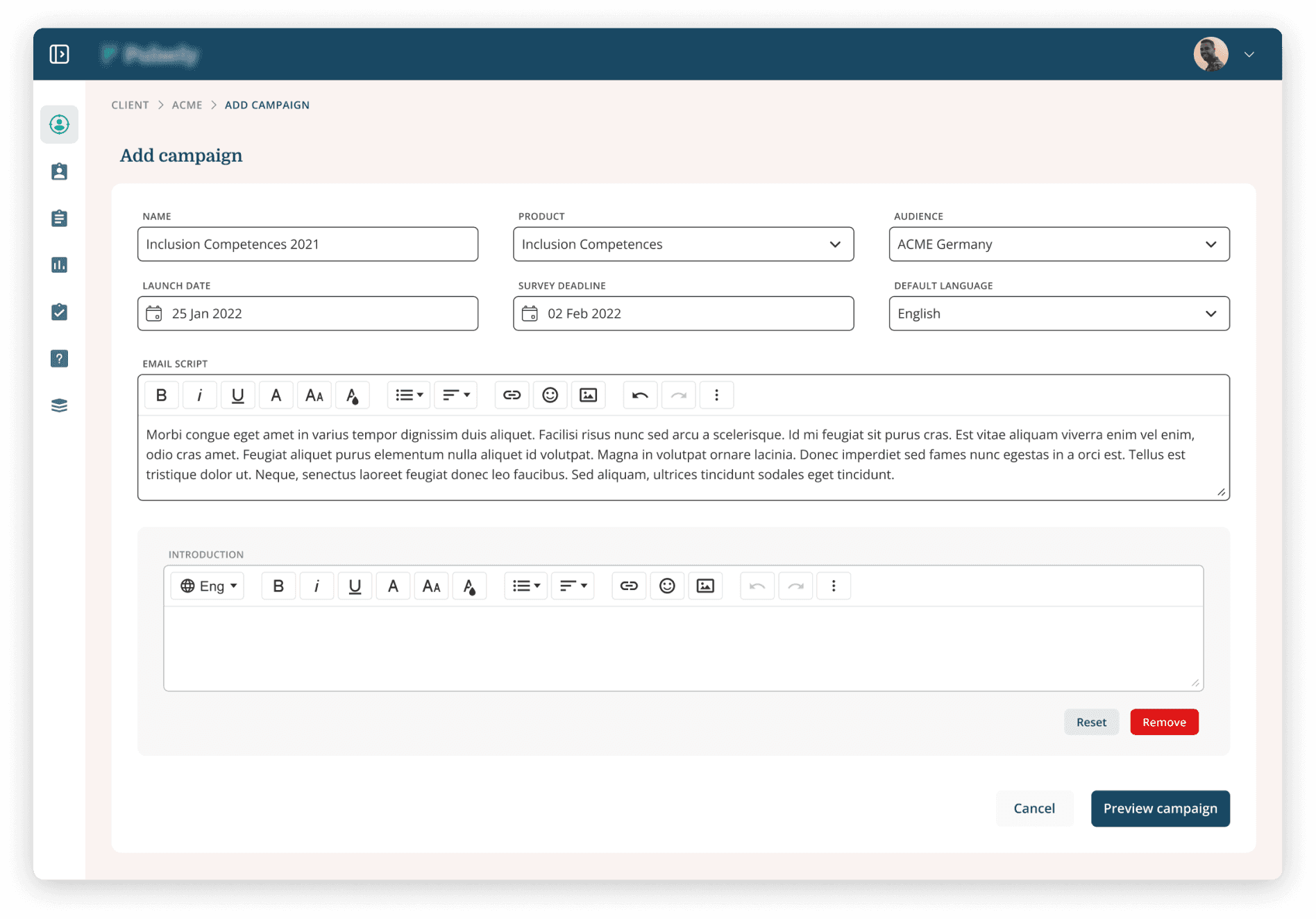
When setting up a campaign, we can select a product — in this case, a pre-created survey — along with its target audience, launch date, and deadline. Additionally, define the content shown in the survey invitation email, including the introductory message for participants.
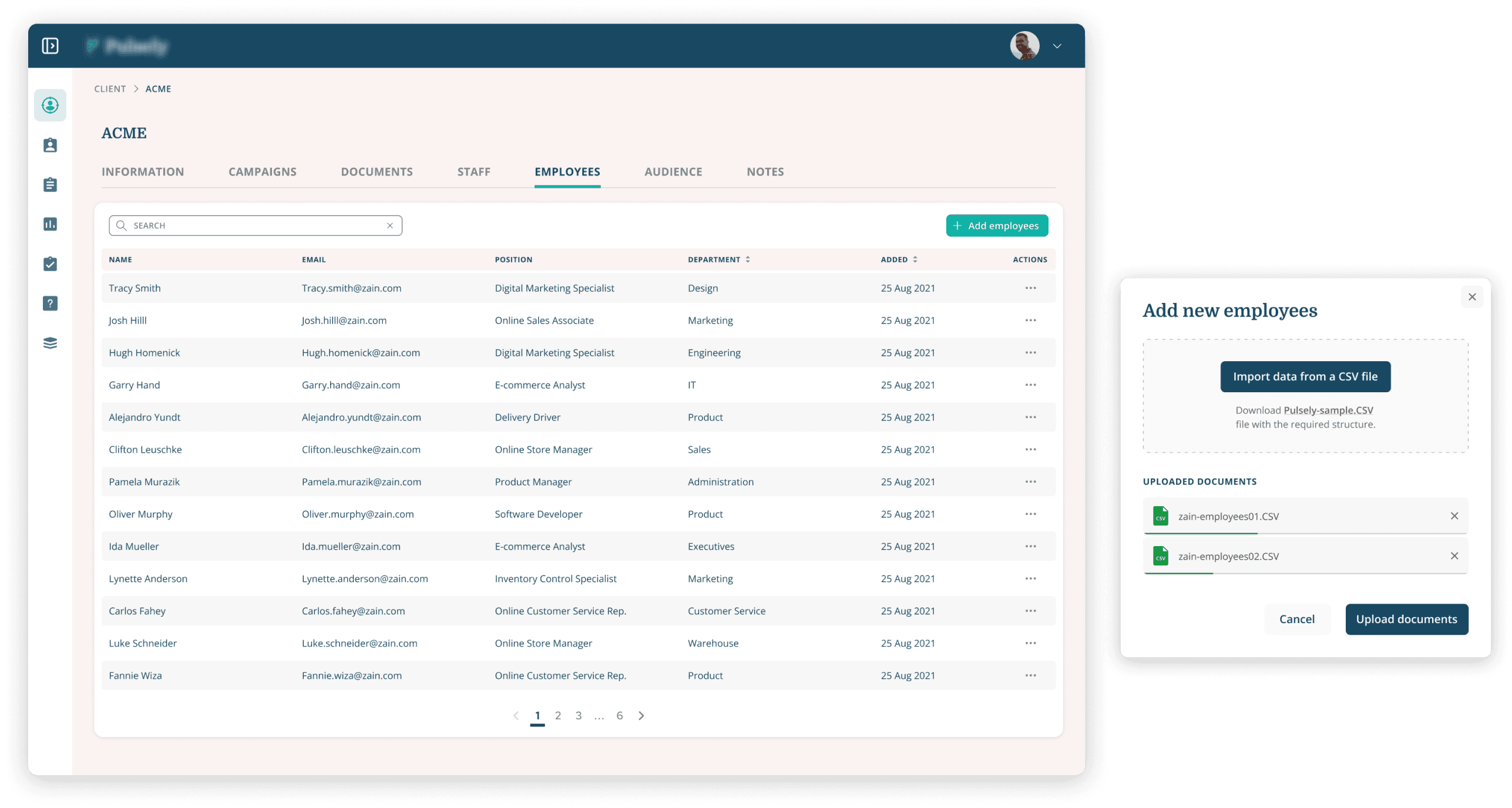
Employees
The employee list must follow a specific structure to comply with demographic guidelines. We provide a sample document to ensure HR meets all requirements, allowing us to process and analyse data accurately and without discrepancies.
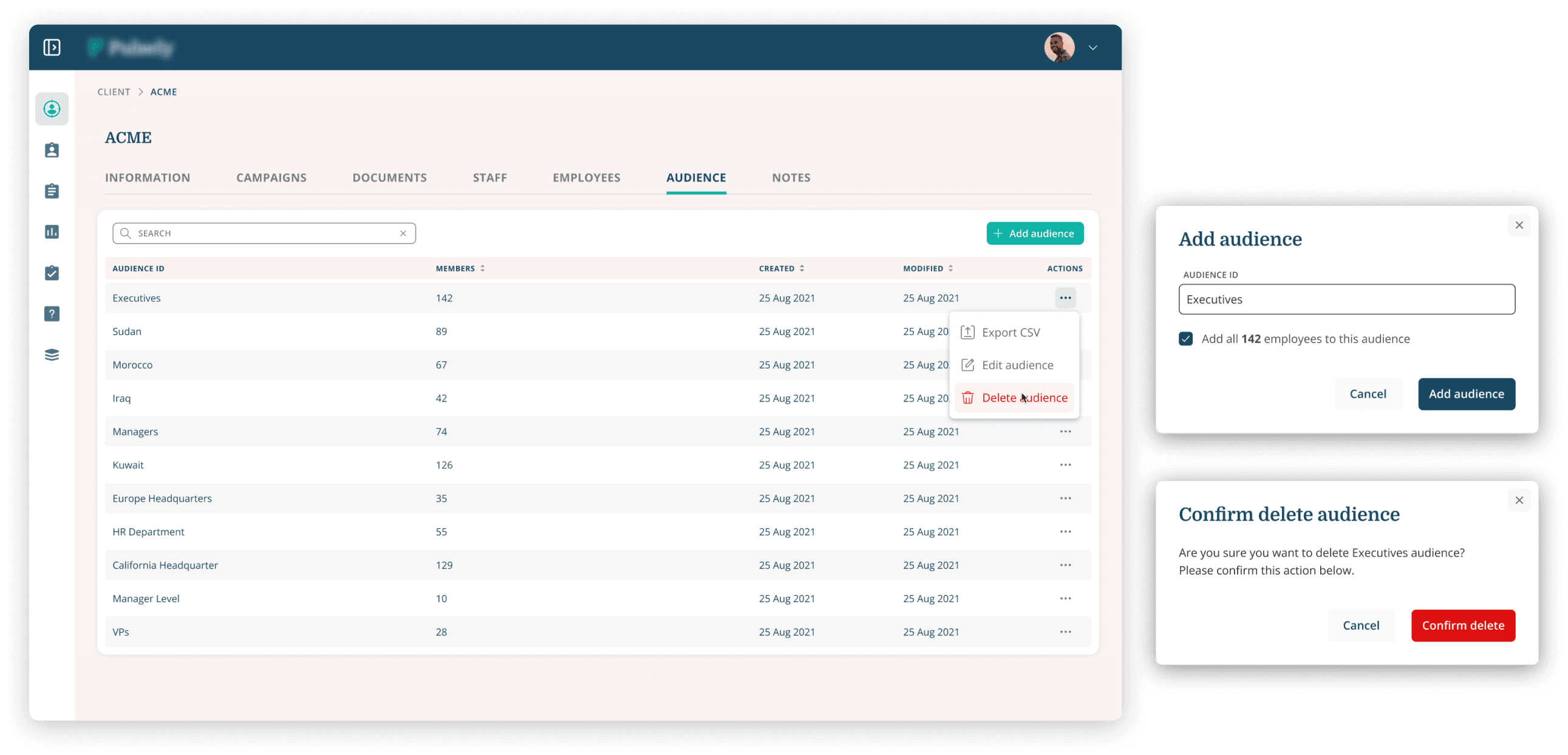
Audience
Each campaign aims to reach a specific audience, and we are able to pre-define that audience in each client account. These audiences may be saved and reused in subsequent campaigns or modified upon client request.
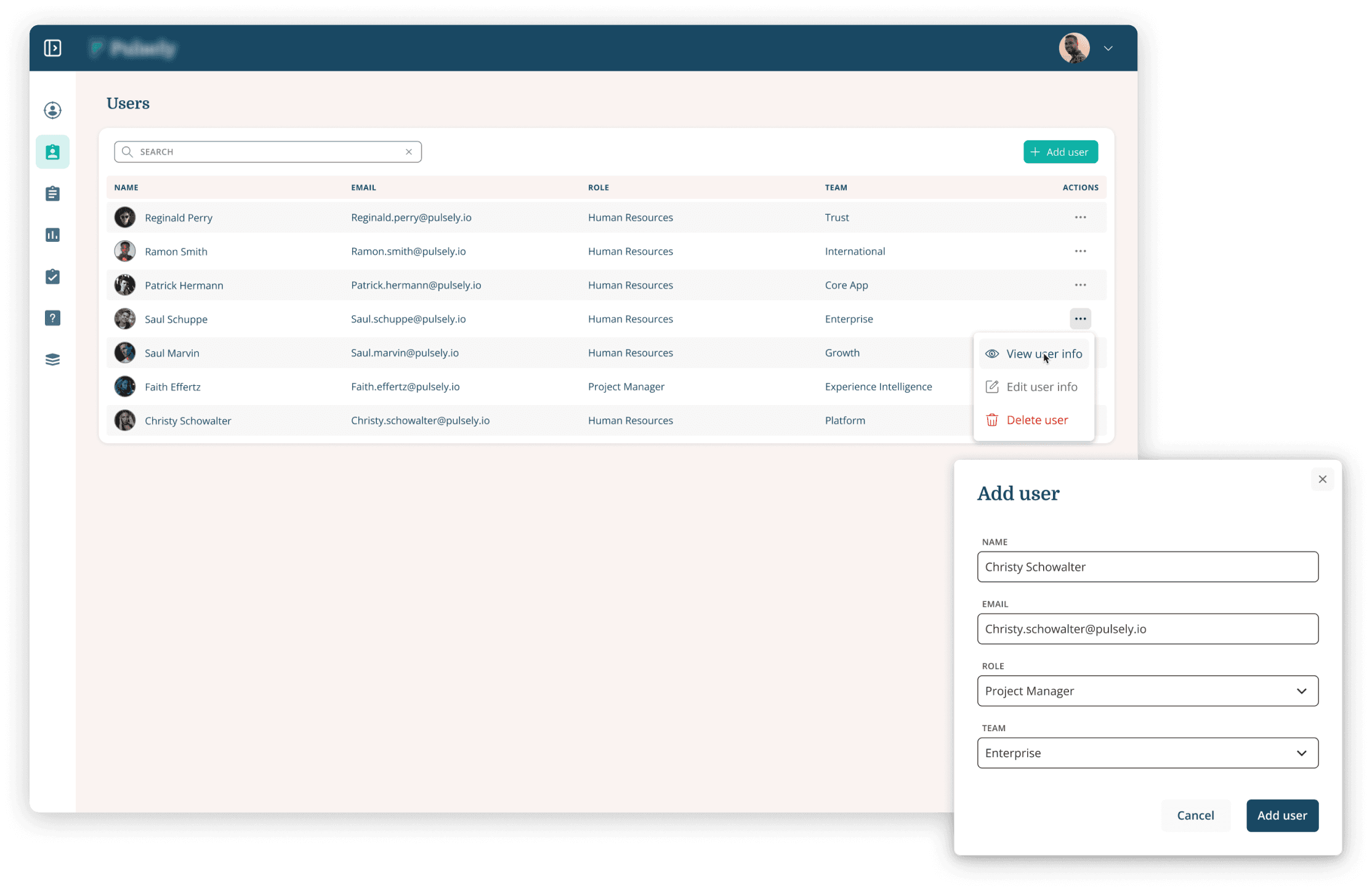
Users List
To oversee and manage authorised access to client's account.
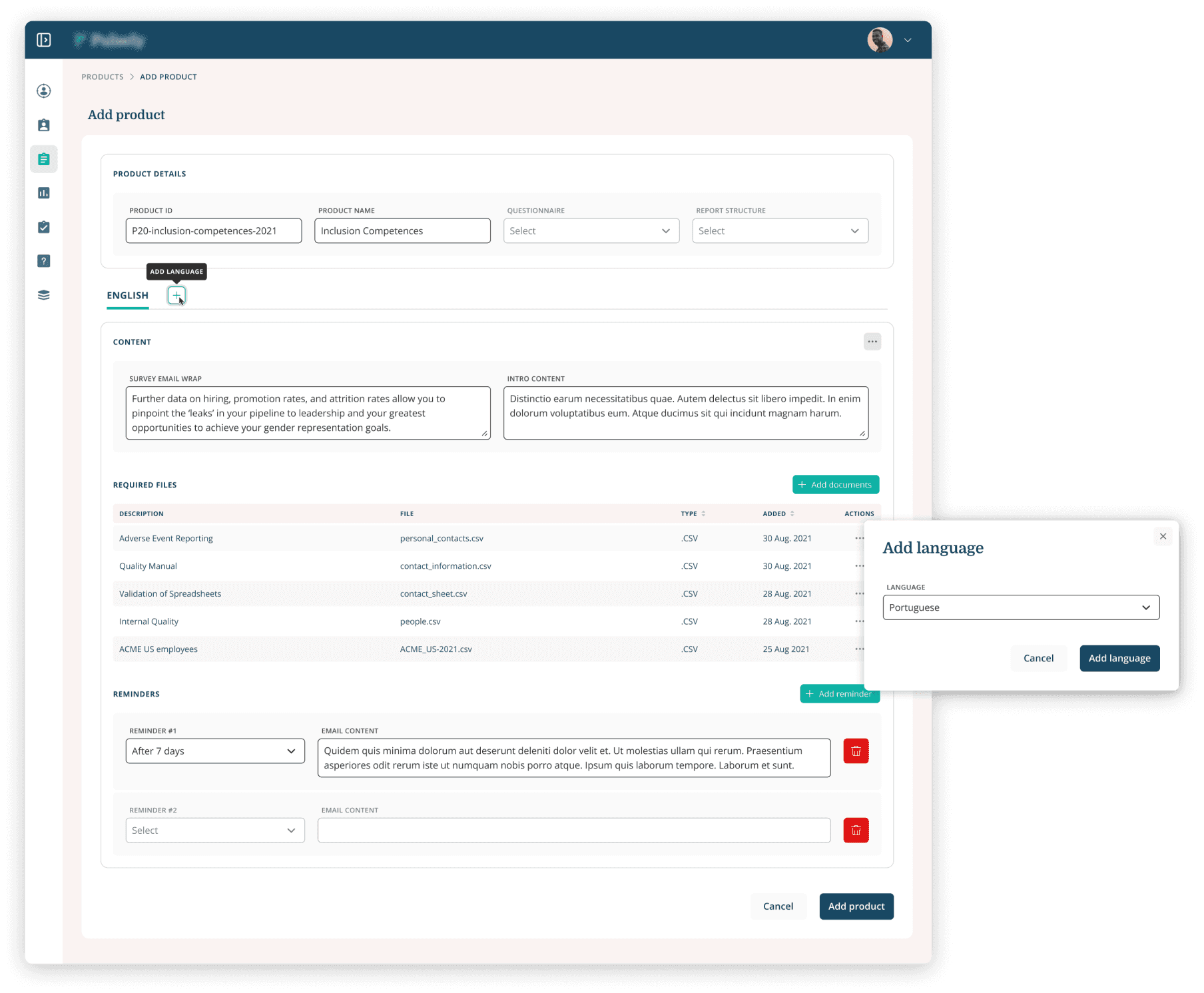
New Product
Our specialised DEI solutions are meticulously designed to address the specific needs and focus areas of the organisation. Each offering is uniquely tailored to reflect the company's goals and values, guaranteeing maximum impact and relevance.
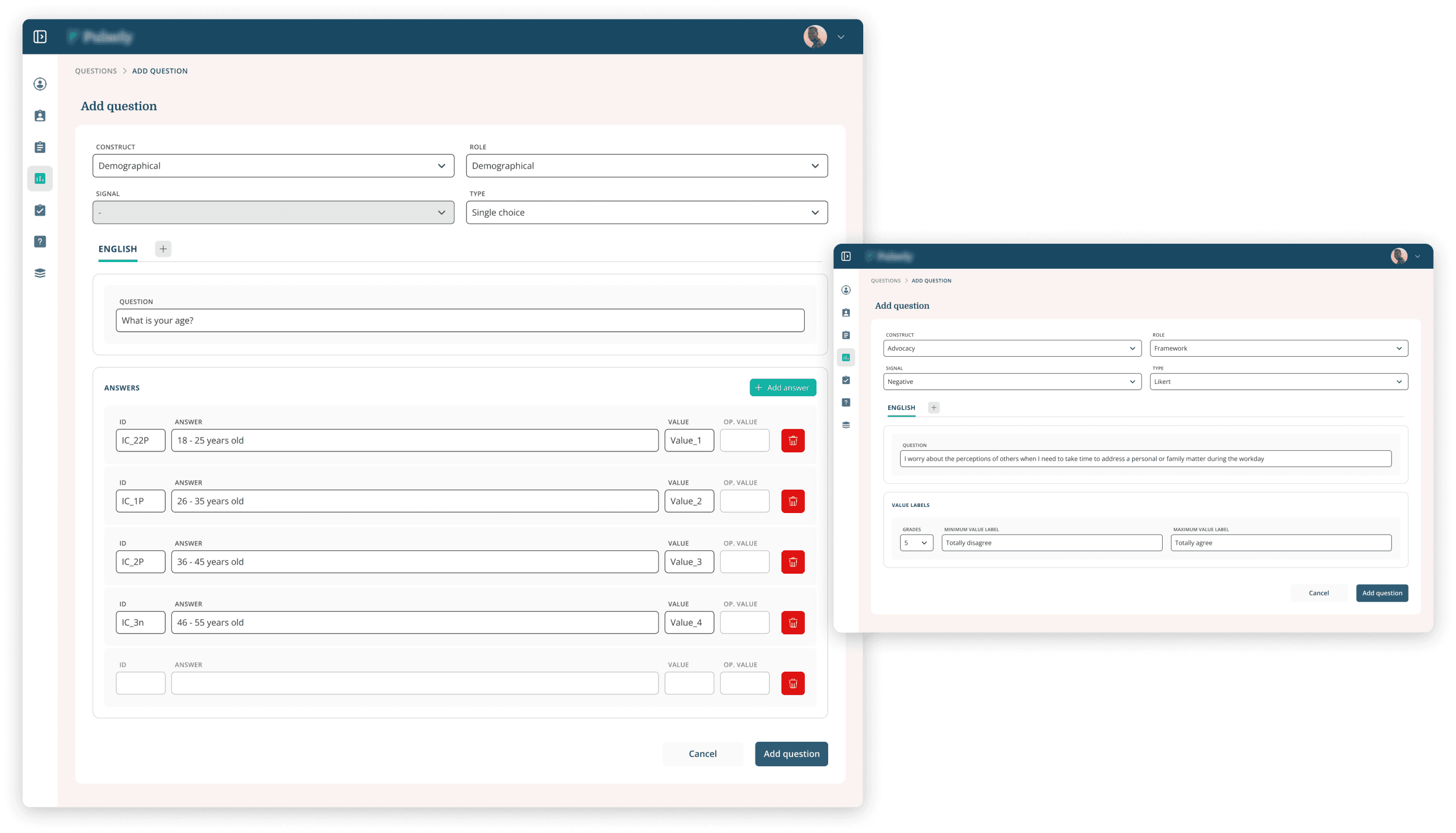
Questions
Each question contributes unique data points that are important for analysis. These questions facilitate the measurement and comparison of responses, enabling to identify trends and patterns within a company.
Furthermore, they calculate the intensity of opinions and feelings, providing a measure of the strength of attitudes. This allows for a more in-depth understanding of the respondents' perspectives and provides valuable insights into their motivations and beliefs.
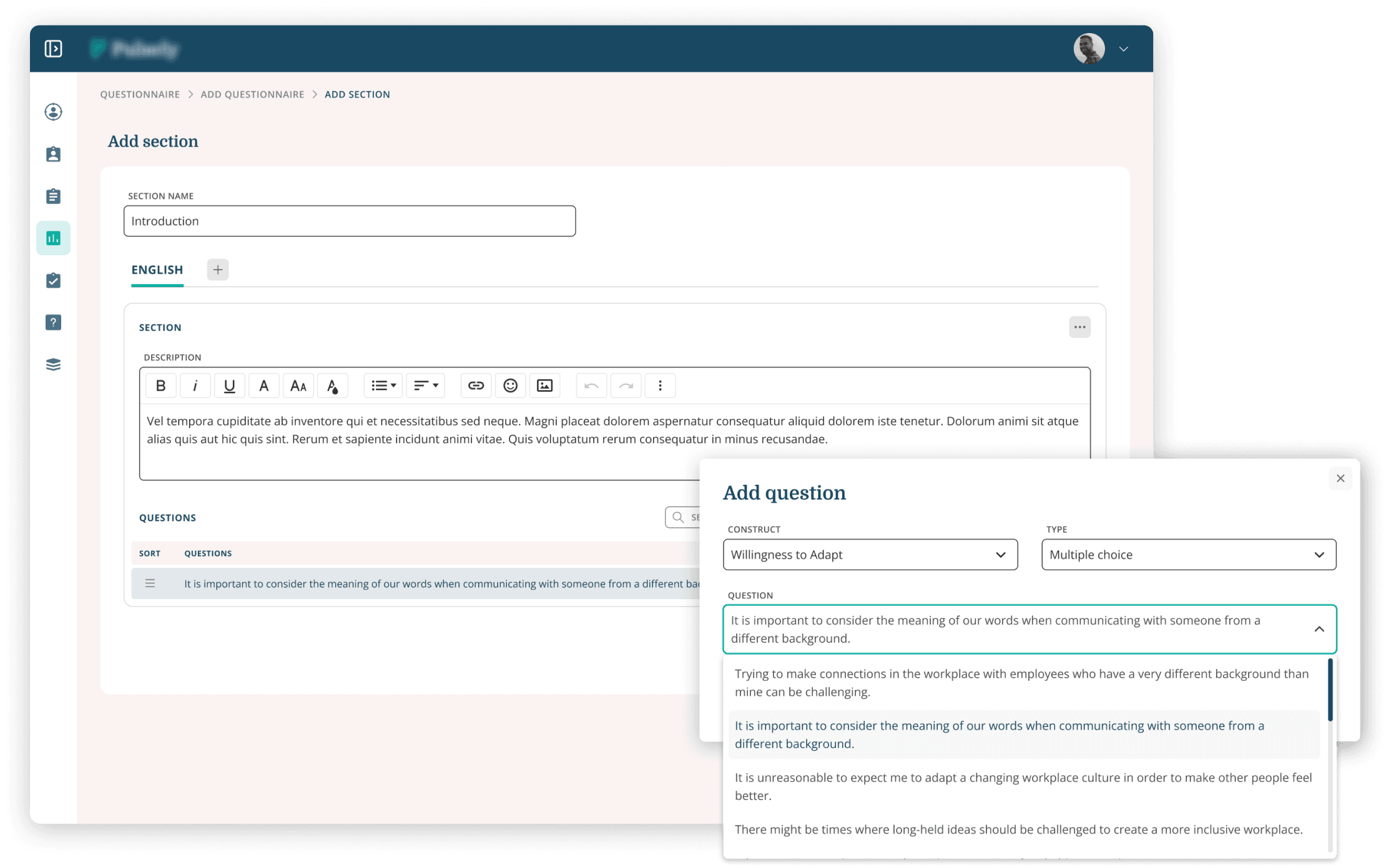
Questionnaire sections
Each section focuses on distinct topics and employs varying measurements, they each yield unique results.
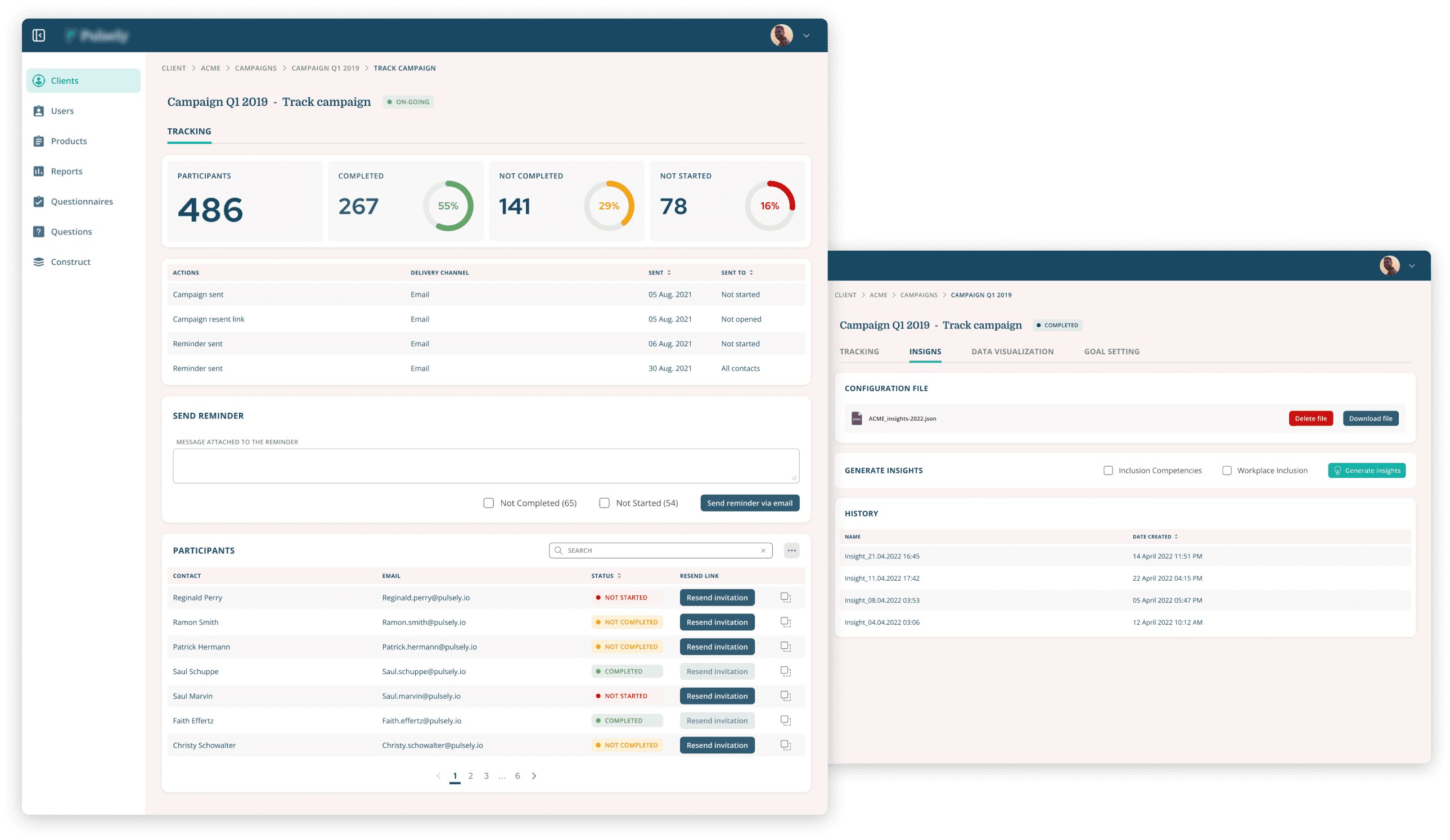
Track Campaign
Continuously monitor the survey response rates leading up to the deadline. Subsequently, conduct a comprehensive examination of the outcomes to uncover and emphasise crucial insights.
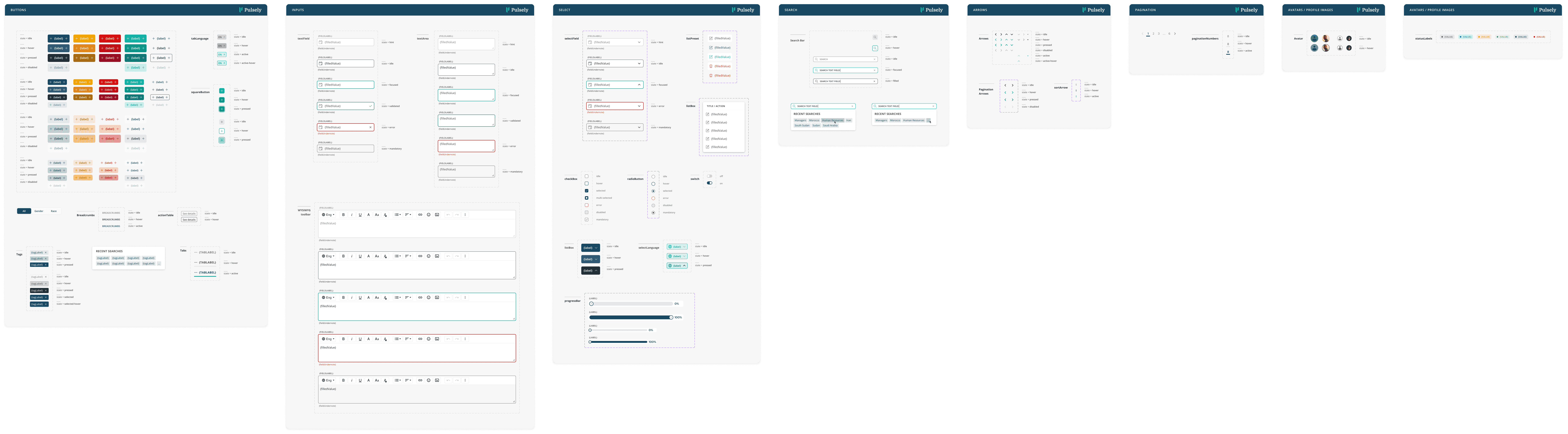
Design System
Conclusion
Handover
My task in this project concluded at this juncture, just before the beginning of the second phase. In preparation for the handover, I meticulously documented the findings from the internal usability tests and communicated them to the relevant stakeholders. This included identified issues, potential solutions, and recommendations for the next steps. Additionally, I facilitated a documented design system and a series of Figma prototypes in order to ensure a seamless transition and provide clarity on the refined user flows for those who will continue the project.
What I learned
Certainly, I gained a significant amount of knowledge regarding DEI and its potential impact on motivations within an institution, as well as the ease with which knowledge and information can be promoted throughout the organisation. The complexity of these reports is staggering. The structure is well-defined by the science team and there's no room to change it or the results might be compromised. As an UX designer, it may not make sense, but it definitely makes sense to them, and we have to align our way of thinking to meet their structures. Otherwise, the final goal can be compromised.